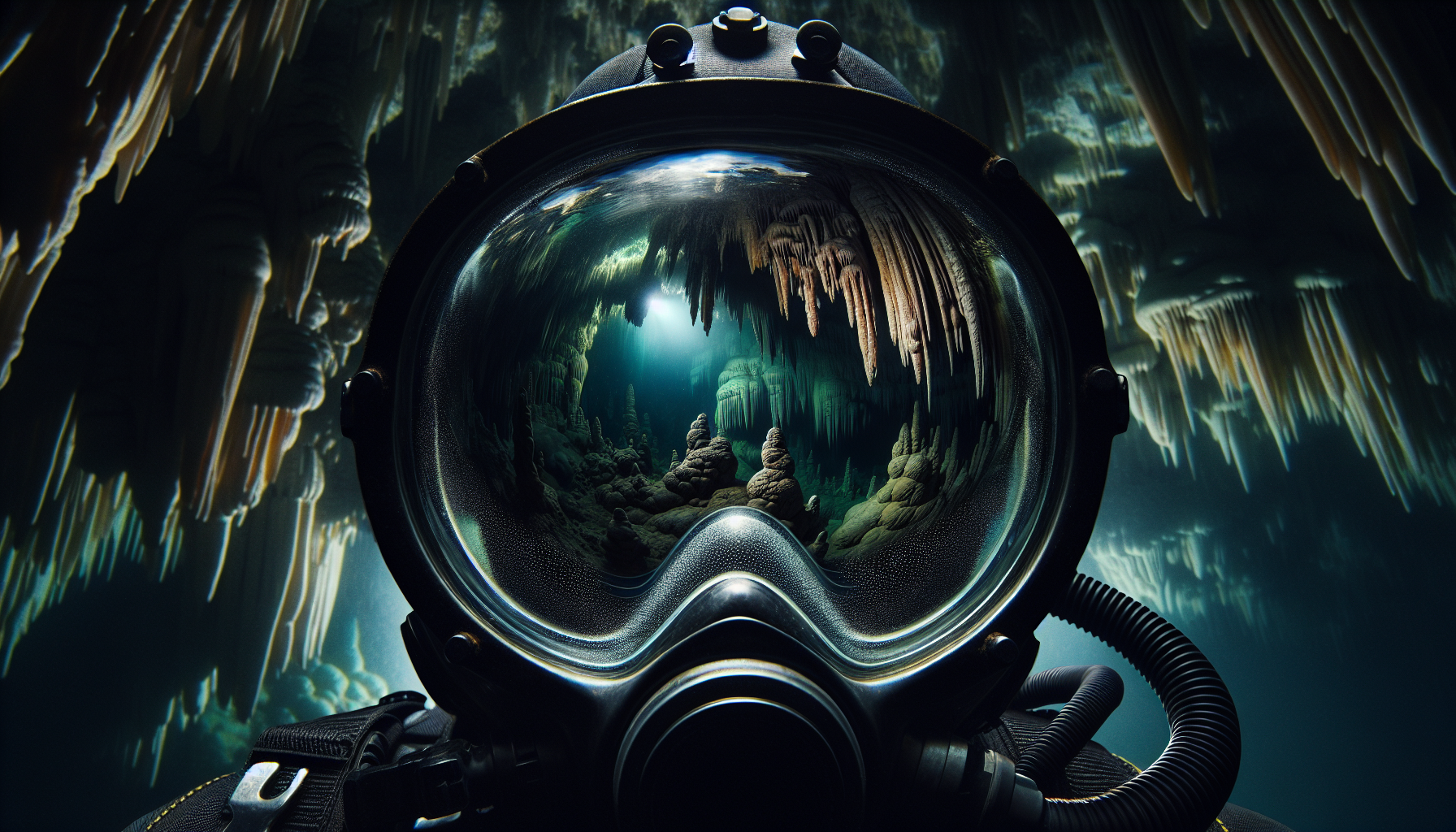
Imagine plunging into the mysterious depths of an underwater cave, exploring its hidden wonders and admiring the breathtaking beauty that lies beneath the surface. But as with any extreme sport, there is an inherent element of danger lurking in these unchartered waters. Have you ever wondered what the death rate for underwater caving is? In this article, we will examine the statistics and shed light on the risks faced by those who dare to venture into the depths of underwater caves. Brace yourself for an insightful journey that will leave you both fascinated and cautious.
Causes of Death in Underwater Caving
Drowning
One of the most common causes of death in underwater caving is drowning. As an activity that takes place in a submerged environment, the risk of drowning is ever-present. This can occur when a caver’s breathing apparatus malfunctions, when they become trapped or entangled, or when they fail to properly monitor their air supply. It is essential to always ensure that you have sufficient air and properly maintain your equipment to minimize the risk of drowning.
Suffocation
Suffocation is another significant cause of death in underwater caving. This occurs when a caver becomes trapped in an area with limited air supply or encounters a pocket of gas that is toxic or deprived of oxygen. It is crucial to remain aware of your surroundings and pay attention to gas levels when exploring underwater caves to prevent suffocation.
Trauma
Trauma is a leading cause of death in underwater caving accidents. The nature of the underground environment can present numerous hazards that may result in injuries. These injuries can occur due to falling rocks, underwater obstructions, or collisions with equipment or underwater structures. It is important to exercise caution, wear appropriate protective gear, and be mindful of potential dangers to minimize the risk of trauma-related incidents.
Equipment Failure
Equipment failure is another potential cause of death in underwater caving. This can happen due to a variety of factors, including poor maintenance, manufacturing defects, or improper use. It is crucial to regularly inspect and maintain your caving equipment, ensuring that it is in proper working condition before each dive. Staying informed about the latest advancements in equipment technology can also help reduce the risk of equipment failure.
Risk Factors
Inexperience
Inexperience is a significant risk factor when it comes to underwater caving. Lack of familiarity with the unique challenges and hazards of this activity can increase the likelihood of accidents and fatalities. It is essential to gain experience gradually, starting with easier dives and gradually progressing to more challenging ones. This will help you develop the necessary skills and confidence to navigate safely through underwater cave systems.
Lack of Proper Training
A lack of proper training is closely related to inexperience and significantly increases the risk of death in underwater caving. Without adequate training, cavers may be unaware of essential safety procedures, navigation techniques, and emergency response protocols. Engaging in comprehensive training programs specifically designed for underwater caving is vital to ensure that you possess the knowledge and skills necessary to mitigate risks effectively.
Poor Equipment
Using inadequate or malfunctioning equipment can greatly increase the chances of accidents and fatalities during underwater caving expeditions. It is crucial to invest in high-quality caving gear, including appropriate diving suits, buoyancy control devices, communication devices, and underwater lights. Regularly inspecting and maintaining your equipment ensures that it remains in optimal condition and minimizes the possibility of equipment-related mishaps.
Unpredictable Underwater Conditions
The underwater environment is inherently unpredictable, and this unpredictability poses a significant risk to cavers. Factors such as changing water currents, poor visibility, and uneven terrain can make navigating through underwater cave systems challenging and dangerous. Conducting thorough research, obtaining up-to-date information about local conditions, and monitoring weather forecasts are essential steps to minimize the risks associated with unpredictable underwater conditions.
Prevalence of Death in Underwater Caving
Statistics and Data
Accurate statistics regarding the death rate for underwater caving can be challenging to obtain due to the remote and secluded nature of these incidents. However, available data suggests that fatalities in this activity are relatively rare compared to other adventure activities. This highlights the importance of proper training, equipment, and adherence to safety procedures to prevent fatalities.
Comparisons to Other Adventure Activities
When examining the death rate for underwater caving, it is useful to compare it to other adventure activities. Statistics demonstrate that underwater caving has a higher fatality rate compared to some other recreational activities, such as hiking or swimming. This emphasizes the need for cavers to undertake sufficient training and adopt safety measures to minimize the inherent risks associated with this unique and challenging pursuit.
Frequency of Incidents
While the number of deaths in underwater caving is relatively low compared to other activities, it is essential to recognize that accidents can still occur. Each incident serves as a reminder of the importance of taking the necessary precautions and remaining vigilant throughout underwater caving expeditions. By being aware of the potential risks and adequately preparing for them, cavers can significantly reduce the likelihood of accidents and fatalities.
Safety Measures
Proper Training and Certification
Undertaking comprehensive training and obtaining proper certification is crucial to ensure your safety while underwater caving. Professional training programs cover essential topics such as equipment operation, emergency procedures, navigation techniques, and risk management. By acquiring the necessary knowledge and skills, you’ll be better equipped to make informed decisions and handle unforeseen circumstances.
Equipment Maintenance and Checks
Regular equipment maintenance is essential for ensuring its proper functioning and minimizing the risk of equipment failure. Before each dive, thoroughly inspect your equipment, paying close attention to critical components such as breathing apparatus, safety harnesses, and communication devices. Additionally, regularly service your gear, following manufacturer guidelines and seeking professional assistance when needed. Proper equipment maintenance significantly enhances your safety while diving.
Buddy System
Adhering to the buddy system is a vital safety measure in underwater caving. Having a dive buddy with whom you maintain constant communication can be crucial in emergency situations. Your buddy can assist in case of equipment malfunctions, provide assistance during navigation, and offer support in case of an emergency. Remember to establish clear communication protocols and practice effective teamwork to ensure the safety of both yourself and your dive partner.
Thorough Dive Planning
Thorough dive planning is essential to identify potential risks and prepare appropriate preventive measures. Before a dive, gather as much information as possible about the cave system, including maps, water conditions, and potential hazards. Evaluate your own skills and limitations to select dives that align with your experience level. Develop an emergency action plan and communicate it with your dive buddy. By meticulously planning your dives, you can minimize risks and enhance safety.
Challenges in Underwater Caving
Limited Visibility
Limited visibility is a significant challenge in underwater caving. Due to the absence of natural light and the presence of sedimentation in cave systems, visibility can be severely reduced. It is crucial to be proficient in navigation techniques, such as using guideline systems and relying on tactile senses, to navigate safely and maintain situational awareness in low visibility conditions.
Restricted Movement
Underwater cave systems often have narrow passages and tight spaces, which can restrict movement and make navigation difficult. Cavers must have the physical capability to maneuver through tight areas and possess the necessary skills to avoid entanglements. Moving slowly and carefully while keeping a constant awareness of one’s surroundings can help mitigate the risks associated with restricted movement.
Navigational Difficulties
Navigating through underwater cave systems presents unique challenges. The absence of landmarks and the complex nature of cave tunnels can lead to disorientation and potential danger. Utilizing proper navigation tools, including compasses, cave maps, and guideline systems, can help you stay on track and prevent getting lost. Ongoing practice and experience navigating in various cave systems will enhance your ability to overcome navigational difficulties.
Disorientation
Disorientation is a considerable risk in underwater caving. The complex nature of cave systems, combined with limited visibility and confined spaces, can cause cavers to lose their sense of direction. Developing strong navigational skills, maintaining mental clarity, and honing your situational awareness are crucial in preventing disorientation. Familiarize yourself with the cave system beforehand, maintain proper communication with your dive buddy, and always stay focused on your surroundings to minimize the risk of becoming disoriented.
Case Studies
Famous Underwater Caving Accidents
Various famous underwater caving accidents have highlighted the need for proper training, equipment, and safety measures. One such incident is the 2003 Nutty Putty Cave tragedy in Utah, where a young man got stuck upside-down in a narrow passage and eventually lost his life despite rescue efforts. These incidents serve as powerful reminders of the potential dangers and emphasize the importance of knowledge, experience, and adherence to safety protocols.
Lessons Learned from Past Incidents
Every underwater caving accident provides an opportunity to learn from past mistakes and improve safety standards. Subsequent investigations and analysis of previous incidents have led to better understanding of risk factors and the development of enhanced safety protocols. By studying these accidents and implementing the lessons learned, divers can further reduce the likelihood of accidents and fatalities.
Survival Stories
Despite the challenges and risks, there have been inspiring survival stories from underwater caving accidents. These stories highlight the importance of staying calm and focused in life-threatening situations. The successful rescue and survival of individuals trapped in underwater caves can often be attributed to their training, preparedness, and the quick response of their dive buddies and rescue teams.
Role of Guide/Instructor
Responsibilities and Qualifications
Guides and instructors play a crucial role in ensuring the safety of individuals engaging in underwater caving. These professionals possess the necessary qualifications, experience, and knowledge to provide guidance, instruction, and oversight during dives. They are responsible for leading expeditions, conducting thorough safety briefings, and monitoring the well-being of each participant. Their expertise and guidance significantly contribute to minimizing risks and preventing accidents.
Ensuring Safety during Dives
Guides and instructors are responsible for implementing and enforcing safety measures during underwater caving expeditions. This includes ensuring that participants have appropriate training, monitoring equipment usage, and overseeing dive planning. By maintaining constant vigilance, these professionals can identify potential risks, intervene when necessary, and take immediate action in the event of an emergency to ensure the safety of all divers involved.
Emergency Response and Rescue Procedures
In the unfortunate event of an accident or emergency, guides and instructors are trained in emergency response and rescue procedures. These professionals possess the knowledge and skills necessary to handle various emergency scenarios, such as equipment failures, entrapment, or injury. They are trained in first aid and CPR, and they coordinate with rescue teams to facilitate prompt and effective response, ensuring the best possible outcome in emergency situations.
Specialized Equipment
Underwater Caving Gear
Underwater caving requires specialized gear to ensure safety and optimize performance in this challenging environment. This includes buoyancy control devices, fins, lights, underwater propulsion devices, and specially designed exposure suits. It is crucial to select equipment that meets industry standards, fits properly, and is designed for the specific demands of underwater caving. Using appropriate gear enhances comfort, safety, and overall effectiveness during dives.
Emergency Equipment
Carrying essential emergency equipment is vital in underwater caving. This includes signaling devices, such as whistles or noise makers, which can be used to attract attention in case of disorientation or entrapment. Additionally, having redundancy in essential equipment, such as spare breathing apparatus or reserve lights, can provide a vital lifeline in emergency situations. Always ensure that your emergency equipment is easily accessible and properly maintained.
Communication Devices
Communication devices are crucial for maintaining contact with your dive buddy and guide/instructor, as well as for initiating emergency communication in case of distress. Underwater communication systems, such as handheld radios or underwater signaling devices, enable effective communication even in challenging visibility conditions. Successfully utilizing communication devices promotes coordination, enhances safety, and facilitates timely response in both routine and emergency situations.
Psychological Factors
Mental Preparedness
Underwater caving requires mental preparedness due to the inherent challenges and potential risks involved. Developing a strong mental state, including maintaining positive mental focus, confidence, and stress management skills, is crucial. Engaging in mental preparation techniques, such as visualization and positive self-talk, can boost your psychological resilience and help you overcome obstacles and make sound decisions in high-pressure situations.
Managing Anxiety and Stress
Anxiety and stress can arise during underwater caving, particularly in challenging or emergency situations. The ability to manage these emotions is essential for maintaining clear thinking and making rational decisions. Utilizing stress management techniques, such as controlled breathing exercises and mindfulness practices, can help you regulate your emotions, stay focused, and effectively respond to potentially stressful situations.
Decision-Making Under Pressure
Underwater caving often requires making decisions under pressure, where the consequences of choices can have life or death implications. Developing a structured decision-making process, combined with effective communication with your dive buddy and guide/instructor, is crucial. Regular practice and experience in making decisions under pressure can enhance your ability to think clearly, evaluate risks, and make informed choices in critical moments.
Evolution of Safety Standards
Changes Over Time
Safety standards for underwater caving have evolved over time as a result of improved understanding, technological advancements, and lessons learned from past accidents. These changes include enhanced training curricula, more advanced equipment and gear, and improved communication and emergency response protocols. The ongoing evolution of safety standards emphasizes the commitment of the underwater caving community to continuously improve safety and minimize risks.
Industry Regulations and Guidelines
Regulatory bodies and industry organizations have established guidelines and regulations to ensure proper safety measures are in place for underwater caving operations. These standards cover areas such as training requirements, equipment specifications, and emergency response protocols. Adhering to these regulations helps maintain a consistent level of safety and promotes responsible practices within the underwater caving community.
Lessons from Past Accidents
Past accidents have led to important lessons and insights that have significantly influenced safety standards in underwater caving. Detailed incident investigations have identified areas for improvement and led to changes in training programs, equipment design, and safety procedures. By analyzing these incidents and incorporating the lessons learned, the underwater caving community continues to enhance safety practices and minimize the occurrence of accidents.
In conclusion, understanding the causes of death in underwater caving, the risk factors involved, prevalence of fatalities, safety measures to adopt, challenges faced, case studies and lessons learned, the role of guides/instructors, specialized equipment, psychological factors, and the evolution of safety standards are all crucial aspects to consider for anyone embarking on an underwater caving adventure. By maintaining a strong focus on safety, being well-prepared, and adopting best practices, you can significantly minimize risks and ensure a safe and enjoyable experience in the captivating world of underwater caves. Remember, your safety is paramount, so always prioritize proper training, equipment maintenance, and adherence to safety guidelines. Happy caving!