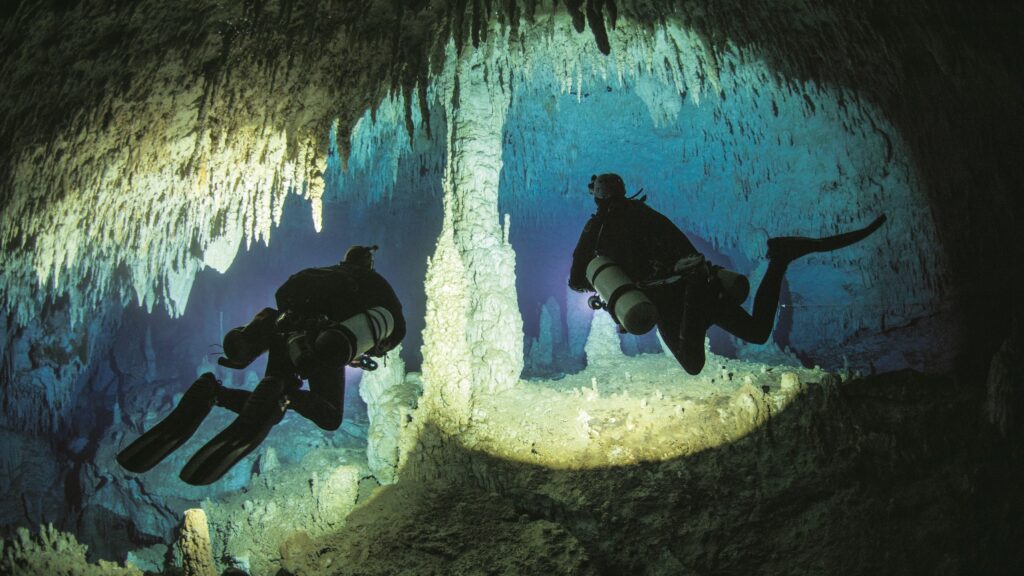
If you’ve ever wondered how to ensure your safety while exploring the mysterious depths of a cave while diving, look no further. With the rising popularity of cave diving, it’s crucial to understand the key safety measures to undertake. From proper equipment usage to maintaining clear communication and staying vigilant amidst the darkness, this article will provide you with essential tips to ensure your cave diving experience remains both thrilling and safe. So dive in and discover how you can navigate the depths with utmost caution and confidence.
Preparation
Before embarking on a cave diving adventure, it is crucial to take the necessary steps to ensure your safety. This starts with thorough preparation.
Research the cave
Researching the cave you plan to explore is essential. Gather information about the cave’s depth, length, and difficulty level. Learn about any potential hazards or special considerations that may arise during the dive. This knowledge will help you plan your dive and make informed decisions while underwater.
Obtain proper training and certification
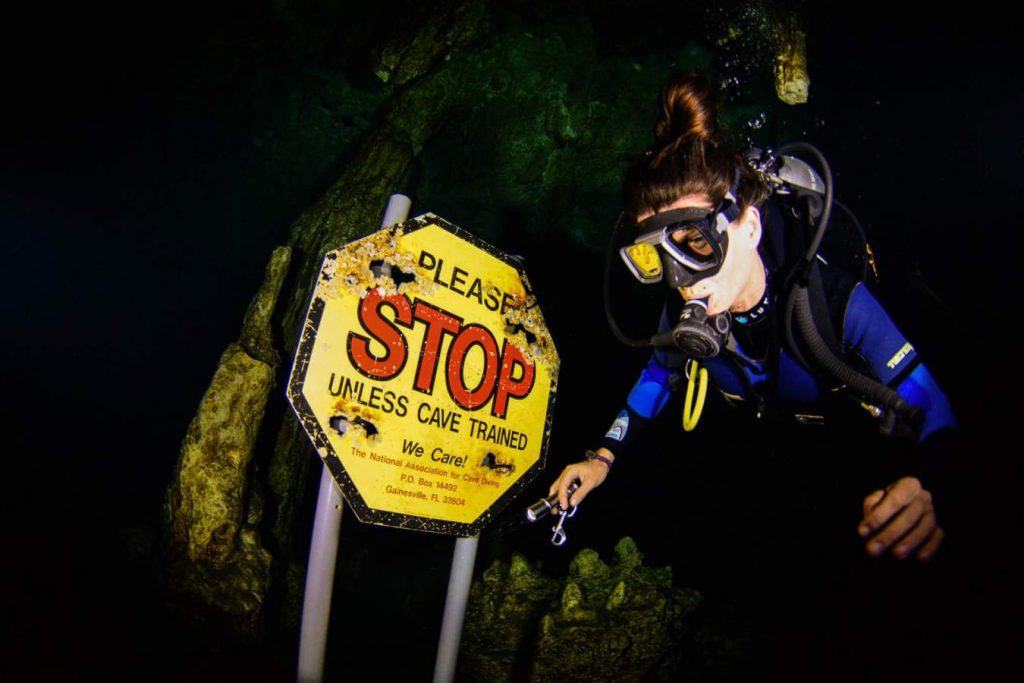
Cave diving is an advanced form of diving that requires specialized training and certification. It is essential to enroll in a reputable cave diving training agency and complete the necessary courses. These courses will equip you with the skills and knowledge needed to navigate the challenges of cave diving safely.
Plan your dive
Proper planning is a critical step in ensuring a safe and enjoyable cave diving experience. Start by creating a detailed dive plan that includes information such as entry and exit points, points of interest within the cave, and estimated dive times.
Check the weather and water conditions
Before heading out for your dive, always check the weather and water conditions. Adverse weather conditions can make cave diving more challenging and dangerous. Ensure that the water conditions are suitable for diving, with good visibility and calm waters.
Pack necessary equipment
Packing the right equipment is vital for a safe cave diving experience. This includes a well-maintained diving mask, regulator, buoyancy control device (BCD), and dive computer. Additionally, carry a compass, dive knife, signaling devices, and a surface marker buoy (SMB). Packing spare parts and tools for equipment repairs can also come in handy. Always double-check your equipment before heading to the dive site to ensure everything is in good working order.
Guidelines for Cave Diving
To ensure your safety while cave diving, it is essential to follow these guidelines and adhere to best practices.
Always dive with a buddy
Cave diving should never be attempted alone. Always dive with a buddy who is equally trained and proficient in cave diving techniques. Having a buddy provides an extra level of safety and support in case of any emergencies or unexpected situations.
Maintain good buoyancy control
Maintaining proper buoyancy control is crucial in cave diving. It helps prevent disturbing sediment or damaging fragile cave formations. Practice buoyancy control techniques regularly to improve your diving skills and minimize your impact on the environment.
Stay within your limits
Cave diving can be challenging and requires experience and proper training. It is important to know your limits and dive within your comfort zone. Avoid pushing yourself beyond your skill level or attempting dives that are beyond your training. Gradually progress your cave diving skills over time and gain experience with each dive.
Follow the rule of thirds
the rule of thirds is a critical guideline in cave diving. It suggests that one-third of your total gas supply should be used for the initial penetration, one-third for the return journey, and one-third as a reserve in case of emergencies. This rule ensures that you have enough gas to safely exit the cave in case of an unexpected situation.
Use a guideline
Using a guideline is essential in cave diving. A guideline is a line that is securely anchored at the cave entrance and extends into the cave. It serves as a reference point to ensure your navigation back to the entrance. Always maintain contact with the guideline and avoid taking unnecessary detours.
Be mindful of your surroundings
Pay close attention to your surroundings while cave diving. Keep an eye out for potential hazards such as overhanging rocks, tight spaces, or fragile formations. Avoid touching or disturbing any structures within the cave to preserve its pristine nature and promote environmental conservation.
Avoid overhead environments if inexperienced
If you are new to cave diving or lack experience, it is best to avoid diving in overhead environments. Overhead environments involve areas where there is no direct access to the surface, such as enclosed caves or tunnels. These environments require advanced skills and knowledge to navigate safely.
Communicate effectively
Effective communication with your buddy is vital while cave diving. Establish clear hand signals or communication methods before entering the cave to ensure seamless communication underwater. Regularly check your buddy’s well-being and maintain constant communication throughout the dive.
Practice proper decompression techniques
Decompression is an essential aspect of cave diving, especially when exploring deeper caves. Understand and practice proper decompression techniques to avoid decompression sickness and ensure a safe ascent. Follow the recommended decompression schedules based on your dive profiles and consult a dive professional for guidance if needed.
Equipment and Gear
Having the right equipment and gear is crucial for a safe cave diving experience. Here are some key considerations:
Choose the right gear
Selecting the appropriate diving gear is essential for cave diving. Invest in high-quality gear that meets industry standards and is designed specifically for cave diving. Ensure that your gear is suitable for the particular environment and conditions you will be diving in.
Ensure all equipment is in good condition
Before every dive, thoroughly inspect all your equipment to ensure it is in good working condition. Check for any signs of wear or damage. Regularly service and maintain your gear to keep it in optimal condition and minimize the risk of equipment failure during the dive.
Use redundant equipment
Redundant equipment is an extra set of essential gear that acts as a backup in case of equipment failure. This includes using redundant regulators, lights, and dive computers. Redundancy provides an additional layer of safety and ensures you have backup options in case of any malfunctions.
Carry essential safety equipment
Always carry essential safety equipment when cave diving. This includes a surface marker buoy (SMB), a signaling device, a dive knife, and a compass. These items can prove invaluable in emergency situations or when navigating through the cave system.
Equip yourself with appropriate lights and backup lights
Cave diving often involves low light conditions, so it is crucial to have appropriate lights. Primary dive lights should be bright, reliable, and have enough battery life to cover the planned dive duration. Additionally, carry backup lights in case of primary light failure.
Utilize a line reel and markers
Using a line reel is an important part of cave diving. The line reel is used to deploy and reel in the guideline, ensuring you have a clear path to the cave entrance. Markers, such as arrows or non-directional markers, can be placed strategically to indicate the route or points of interest within the cave.
Proper Technique and Behavior
Practicing proper technique and behavior underwater is essential for your safety and the preservation of the cave environment.
Enter and exit carefully
When entering and exiting the cave, exercise caution to avoid collisions with the cave walls or damaging any formations. Slowly maneuver through tight spaces and be aware of your proximity to the walls. Take your time and enter or exit the cave with precision and care.
Avoid excessive movement and touching
Excessive movement and touching can disturb the delicate cave ecosystem and cause silt to be stirred up, reducing visibility. Minimize your movements and refrain from touching walls or formations unless necessary for safety or navigation purposes.
Maintain good visibility and avoid silting
Maintaining good visibility is crucial while cave diving. Finning techniques such as the frog kick or modified flutter kick can help minimize silting and preserve visibility within the cave. Be aware of your body position and the movement of your fins to prevent stirring up sediment.
Follow proper gas management
Proper gas management is vital for a safe cave diving experience. Monitor your gas supply regularly and be aware of your consumption rate. Stick to the planned dive profile and gas limits to ensure you have enough gas for the entire dive and a reserve for emergencies.
Monitor your air supply
Aside from proper gas management, closely monitoring your air supply is crucial. Check your air gauge regularly and be aware of your breathing rate. Avoid taking risks or extending your dive beyond your planned air supply.
Conserve energy
Cave diving can be physically demanding, requiring strong swimming skills and endurance. Conserve energy by maintaining a relaxed and efficient swimming technique. Avoid unnecessary exertion and slow down your pace if needed. Proper self-care and physical fitness outside of diving can also contribute to energy conservation during dives.
Avoid panic and remain calm
Panicking underwater can lead to poor decision-making and potentially dangerous situations. Stay calm and composed in all circumstances. If you encounter a problem, take a moment to assess the situation, and calmly implement the appropriate solutions. Remaining calm is essential for maintaining safety and making rational choices.
Perform regular safety checks
Regularly perform safety checks throughout the dive to ensure everything is functioning correctly. Conduct checks on your equipment, such as mask seal, regulator function, and tank pressure. Additionally, communicate with your buddy and perform regular buddy checks to assess each other’s well-being.
Emergency Preparedness
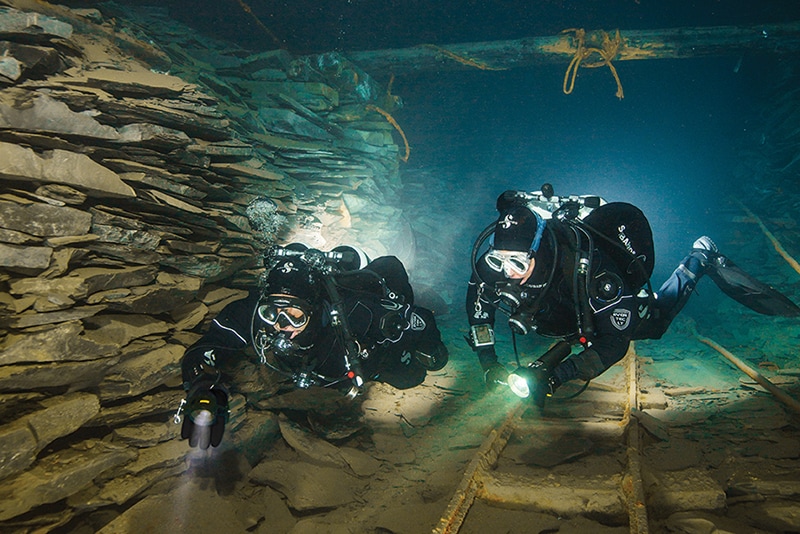
Cave diving comes with inherent risks, so it is crucial to be prepared for any emergency situations that may arise.
Prepare for emergency situations
Before each dive, mentally prepare yourself for various emergency scenarios that could occur during the dive. This includes practicing emergency skills, knowing the location of emergency exits within the cave, and discussing emergency procedures with your buddy. Preparedness is key to effectively managing unexpected situations.
Carry an emergency kit
Carrying an emergency kit is essential for cave diving. The kit should include items such as a first aid kit, signaling devices, spare parts for equipment, and emergency communication devices. Pack the kit in a waterproof container and ensure it is easily accessible during the dive.
Practice emergency drills
Regularly practice emergency drills with your dive buddy to ensure a quick and efficient response in critical situations. This includes procedures for air sharing, lost line scenarios, and diver retrieval techniques. By practicing these drills, you can build muscle memory and increase your ability to handle emergencies effectively.
Understand and follow proper rescue procedures
In the event of an emergency, it is crucial to understand and follow proper rescue procedures. This may involve performing rescue breaths or applying CPR if necessary. Familiarize yourself with rescue techniques and seek additional training if needed. Remember, rescuing your buddy should always be the top priority.
Hazards and Risks
Cave diving presents certain hazards and risks that divers must be aware of and prepared for.
Lack of visibility
Cave diving often involves limited visibility due to low light conditions and the potential for silt or sediment to be stirred up. Poor visibility can make navigation challenging and potentially lead to disorientation. Plan your dives accordingly, make use of appropriate underwater lights, and practice buoyancy control techniques to minimize disturbances that affect visibility.
Entanglement and snags
The cave environment can pose risks of entanglement and snags. Be cautious of loose lines, cables, or other debris that may become entangled with your equipment. Maintain excellent situational awareness and carefully maneuver through any tight or confined spaces.
Cave collapse or structural instability
Cave structures are subject to natural processes that can cause collapses or structural instability. Be attentive to your surroundings and look for any signs of instability such as cracks, loose rocks, or shifting sediment. Avoid areas that show signs of imminent collapse and be prepared to adjust your dive plan accordingly.
Equipment failure
Equipment failure can occur at any time, so it is crucial to be prepared for such situations. Practice emergency procedures and carry redundant equipment to mitigate the risks associated with equipment failure. Regularly maintain and service your equipment to minimize the chances of failure during a dive.
Loss of guideline
The loss of a guideline can be disorienting and potentially dangerous in a cave environment. Always maintain contact with the guideline and use markers or indicators to mark your route. In the event of a lost guideline, stay calm, retrace your steps, and search for the guideline or an alternative route. If necessary, use a line reel to deploy a new guideline.
Hypothermia
Cave water temperatures can be significantly colder compared to open water environments. Hypothermia can occur if the body loses heat at a faster rate than it can generate. Wear an appropriate exposure suit that provides insulation and regulates body temperature. Monitor your body for signs of hypothermia and terminate the dive if you start experiencing symptoms.
Nitrogen narcosis
As you venture deeper into the cave, the increased pressure can lead to nitrogen narcosis. This condition impairs judgment and motor skills, similar to alcohol intoxication. Be aware of the signs and symptoms of nitrogen narcosis and ascend to shallower depths if necessary. Always adhere to your dive plan and avoid pushing your limits to minimize the risk of nitrogen narcosis.
Cave-specific dangers
Each cave presents its own set of unique dangers and challenges. These can include tight squeezes, complex passages, or unique geological formations. Research and gather specific information about the cave you plan to dive in, and be prepared to encounter these cave-specific dangers. Only attempt dives within your comfort level and experience.
Common Mistakes to Avoid
To ensure a safe and enjoyable cave diving experience, it is important to avoid these common mistakes.
Diving beyond your training and experience
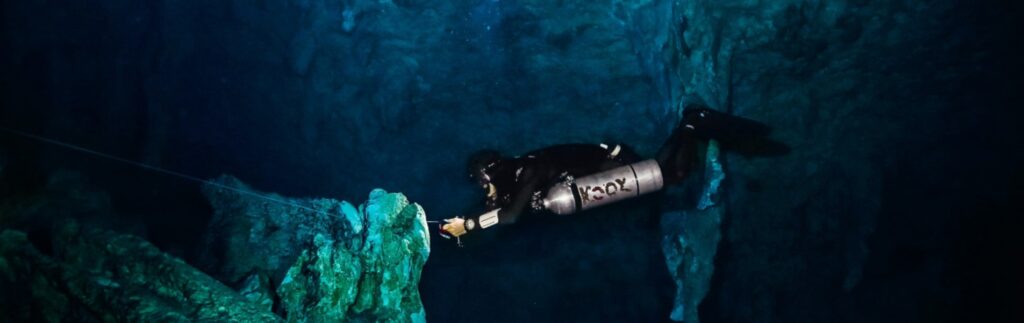
One of the most significant mistakes a cave diver can make is attempting dives beyond their training and experience level. Gradually progress your skills and knowledge, always gaining experience under the guidance of a qualified instructor. Never attempt dives that exceed your training and capabilities.
Skipping safety procedures and checks
Skipping safety procedures and checks can have dire consequences in cave diving. Always adhere to safety protocols, such as buddy checks, equipment inspections, and dive planning. These procedures are in place to ensure your safety and the safety of your diving partner.
Trying to exceed your limits
It is human nature to push boundaries and test our limits, but doing so in cave diving can be extremely dangerous. Know your limits and avoid trying to exceed them. Respect the environment and your own abilities to minimize the risk of accidents or injuries.
Ignoring warning signs
Ignoring warning signs such as poor visibility, strong currents, or unstable cave formations can lead to disaster. Always pay attention to these signs and proactively adapt your dive plan if necessary. Ignoring warning signs can compromise your safety and the safety of others.
Neglecting proper equipment maintenance
Neglecting proper equipment maintenance is a grave mistake that can result in equipment failure during a dive. Regularly inspect, service, and maintain your equipment to ensure it is in optimal working condition. Prioritize your safety by investing time and effort into equipment maintenance.
Training and Certification
Obtaining proper training and certification is key to becoming a proficient and safe cave diver. Follow these steps to ensure you receive the necessary training.
Choose a reputable cave diving training agency
Selecting a reputable cave diving training agency is crucial. Research different agencies and choose one that has a solid reputation for delivering comprehensive cave diving courses. Look for agencies that follow recognized standards and have experienced instructors.
Complete the necessary training courses
Enroll in the appropriate training courses offered by your chosen training agency. These courses will cover the fundamental skills, knowledge, and safety procedures specific to cave diving. Progress through the training courses at a pace that allows you to master each skill before moving on to more advanced techniques.
Maintain regular practice and continued education
Cave diving skills require regular practice to stay sharp and proficient. Continue diving regularly and practice essential techniques such as buoyancy control, gas management, and navigation. Additionally, consider participating in advanced training courses and workshops to further develop your cave diving skills.
Stay up to date with advancements and best practices
The field of cave diving evolves over time, with new techniques, gear, and best practices emerging. Stay informed about advancements and changes in the cave diving industry by reading diving literature, attending conferences, or participating in online forums. Continuously educate yourself to ensure you are up to date with the latest information and developments.
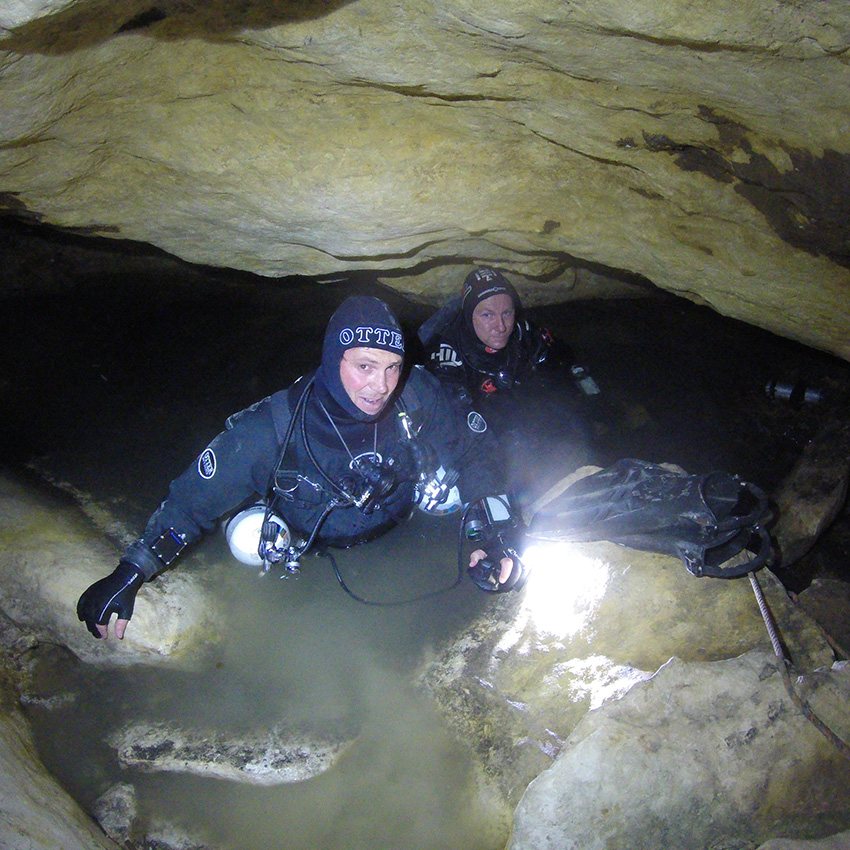
Environmental Conservation
Cave diving takes place in delicate and often pristine ecosystems. Responsible cave divers prioritize environmental conservation. Here’s how you can contribute to protecting these unique environments.
Respect the delicate ecosystem
Always approach the cave environment with respect. Be mindful of your movements and avoid disturbing or damaging cave formations, such as stalactites and stalagmites. These natural wonders take centuries to form and are vulnerable to even minor impacts.
Avoid damaging caves and formations
Cave formations are highly sensitive to disturbances. Avoid contact with the walls, ceilings, or floors unless necessary for safety or navigation. Even a gentle touch can cause irreversible damage to the formations. Make every effort to preserve the cave environment for future generations of divers to enjoy.
Do not disturb marine life
In some caves, you may encounter marine life that has adapted to the unique environment. While observing marine life can be fascinating, it is important to minimize your impact on these fragile ecosystems. Maintain a safe distance, avoid touching or harassing the marine creatures, and follow recommended guidelines for responsible interaction.
Follow cave conservation guidelines
Many cave diving sites have established conservation guidelines specific to that cave. Familiarize yourself with these guidelines and abide by them during your dives. These guidelines are designed to protect the cave environment and its inhabitants.
Properly dispose of waste
Never leave any waste behind in the caves. Carry all your garbage out with you and dispose of it responsibly. This includes any packaging, food waste, and personal belongings. Minimize your environmental footprint and leave the cave as pristine as when you entered.
Conclusion
Cave diving offers a unique and exhilarating adventure, but it also comes with inherent risks. By following proper preparation, adhering to safety guidelines, using the right equipment, and practicing responsible diving techniques, you can enjoy this thrilling activity while ensuring your own safety and protecting the fragile cave environment. Remember, cave diving is a continuous learning process, so always stay up to date with best practices, seek further training when needed, and prioritize safety above all else. Happy diving!