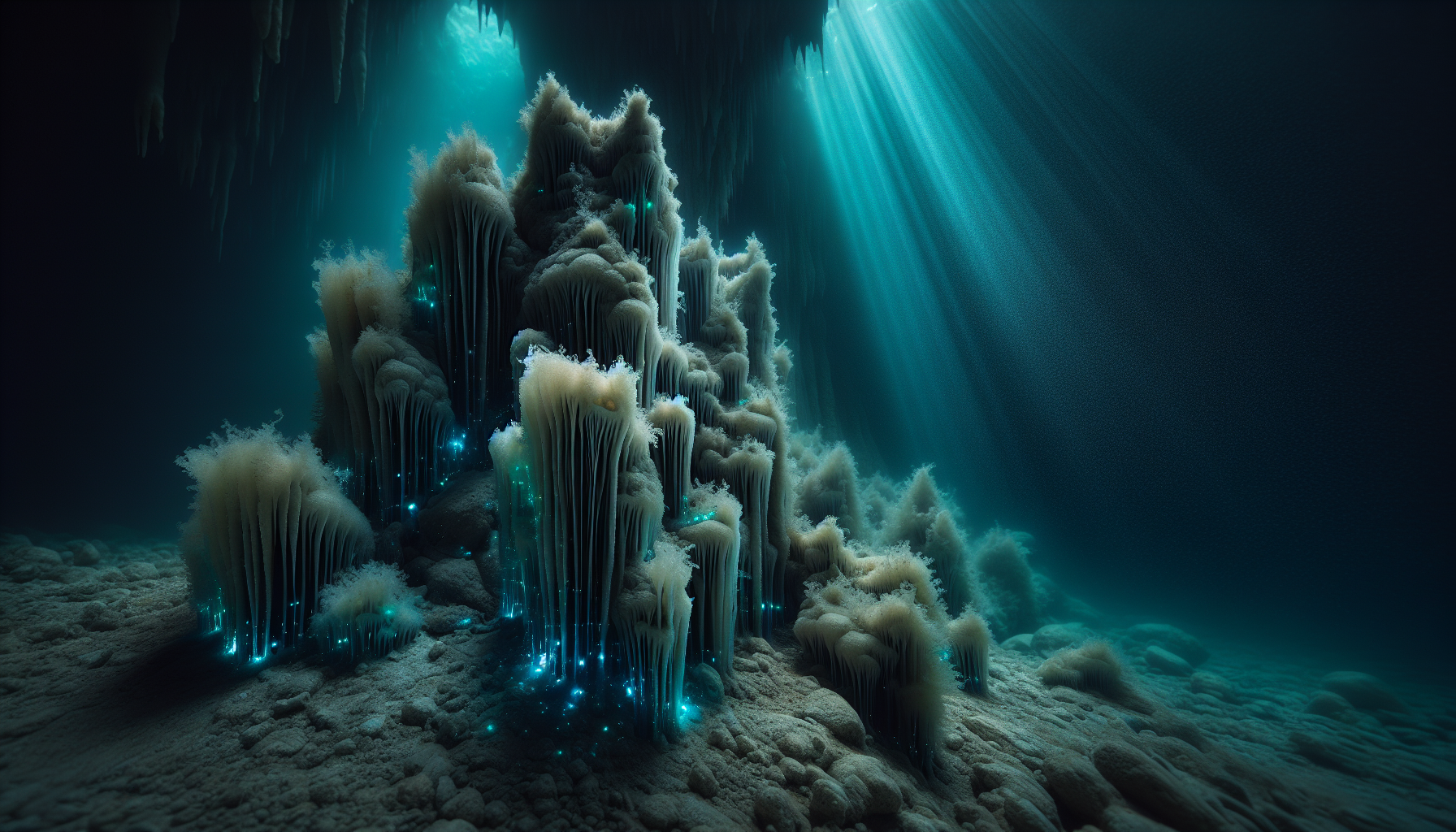
Imagine diving into the depths of the unknown, exploring the mysteries that lie hidden beneath the waves. Now, picture yourself venturing into a treacherous underworld, where danger lurks at every turn. Curiosity piqued? Well, prepare to be fascinated as we take you on a journey to uncover the answer to a lingering question: what is the most perilous underwater cave in the world? Brace yourself for an adrenaline-fueled exploration into the unforgiving realm beneath the surface.
Overview
Underwater caves are mesmerizing and mysterious wonders that captivate the imagination of adventurers like yourself. These submerged caverns, hidden beneath the surface of the water, hold secrets waiting to be explored. However, it is important to understand the risks and dangers associated with diving into these enchanting realms. In this article, we will delve into the definition of underwater caves, the purpose of exploring them, and the various dangerous factors one must be aware of before embarking on such an adventure.
Definition of Underwater Cave
An underwater cave, also known as a submerged cave or karst cave, is a cavern system that lies beneath the water’s surface. These caves are formed through a process called karstification, which occurs over millions of years. Karstification is the dissolution of soluble rocks, such as limestone or dolomite, by water. Over time, the water carves intricate passageways, creating an underground landscape of tunnels, chambers, and stalactites.
Purpose of Exploring Underwater Caves
The allure of exploring underwater caves is undeniable. For many divers, it is about the thrill of the unknown, the opportunity to explore uncharted territories, and the chance to witness the natural beauty that lies beneath the waves. Discovering underwater caves provides a unique sense of adventure and allows divers to satisfy their curiosity while pushing the boundaries of exploration.
Dangerous Factors in Underwater Caves
While the exploration of underwater caves may seem enticing, it is crucial to understand the potential risks and dangers these environments pose. Some of the most significant factors include limited visibility, the potential for entanglement, cave collapse, siltation, and the risk of running out of air. Additionally, factors such as strong currents, extreme depths, and the presence of hazardous marine life can add to the complexity and inherent danger of diving into these submerged labyrinthine systems.
The Blue Hole
Location
One of the most famous and enigmatic underwater caves in the world is the Blue Hole in Belize. Situated in the Lighthouse Reef, approximately 43 miles off the coast of Belize City, this natural wonder attracts diving enthusiasts from across the globe. With its crystal-clear waters and mesmerizing deep blue hue, the Blue Hole offers an otherworldly experience like no other.
Formation
The Blue Hole was formed during the last ice age, around 10,000 years ago when rising sea levels flooded a vast limestone cave. The collapsed ceiling of the cave created a circular sinkhole that stretches approximately 300 meters (984 feet) in diameter and 124 meters (407 feet) in depth. This sinkhole became the Blue Hole we see today.
Dangers and Risks
While the Blue Hole may seem captivating, it is not without its dangers. The deep depths of the sinkhole pose a significant risk to divers, especially those who are not adequately trained or experienced in deep diving. Nitrogen narcosis, a condition caused by the increased partial pressure of nitrogen at great depths, can impair judgment and motor skills. Additionally, the formation’s unique underwater tunnels and stalactites can create entanglement hazards if divers venture too far without proper guidance.
Nararé Sinkhole
Location
The Nararé Sinkhole, located in the Bahamas, is another fascinating underwater cave system that beckons adventurous divers. Situated in the waters of Andros Island, the world’s largest barrier island, this sinkhole offers a mesmerizing sight for those willing to explore its depths.
Formation
The Nararé Sinkhole was formed as a result of collapsed limestone caverns. Over time, the relentless force of water eroded the ceilings, causing them to collapse and create the sinkhole we see today. The extensive network of tunnels and chambers within the Nararé Sinkhole makes it an intriguing destination for cave diving enthusiasts.
Hazards and Risks
While the Nararé Sinkhole offers a unique diving experience, it is not without its hazards. The labyrinthine nature of the cave system can disorient divers, leading to potentially dangerous situations. The low visibility, combined with the narrow passages and intricate terrain, increases the risk of entanglement and siltation. Furthermore, the presence of marine life, including predatory species, adds an element of unpredictability and potential danger to any exploration within the Nararé Sinkhole.
Eagle’s Nest Sinkhole
Location
Located in Florida, the Eagle’s Nest Sinkhole is regarded as one of the most challenging and dangerous underwater caves in the United States. Situated within the Chassahowitzka Wildlife Management Area, this sinkhole offers an unforgettable diving experience for those brave enough to enter its depths.
Formation
The Eagle’s Nest Sinkhole formed through the dissolution of limestone over millions of years. This gradual process resulted in the creation of an extensive cave system known for its intricate tunnels and chambers. The ceiling of one of these caverns eventually collapsed, creating an entrance to the sinkhole.
Risks and Dangers
Exploring the Eagle’s Nest Sinkhole comes with significant risks and dangers. The depth of this underwater cave reaches approximately 315 feet, making it an extreme dive that requires exceptional training and experience. The complex layout of the cave system, combined with the potential for disorientation, poses a significant challenge to even the most skilled divers. Moreover, the fluctuating water levels and strong currents within the sinkhole further contribute to the potential hazards faced by divers.
Fatal Accidents
It is essential to emphasize the gravity of the risks associated with the Eagle’s Nest Sinkhole. Over the years, multiple fatal accidents have occurred in this underwater cave due to various factors, including equipment failure, errors in judgment, and failure to adhere to proper safety protocols. These tragic incidents serve as a somber reminder of the importance of thorough preparation, extensive training, and utmost caution when venturing into any underwater cave, especially one as treacherous as the Eagle’s Nest Sinkhole.