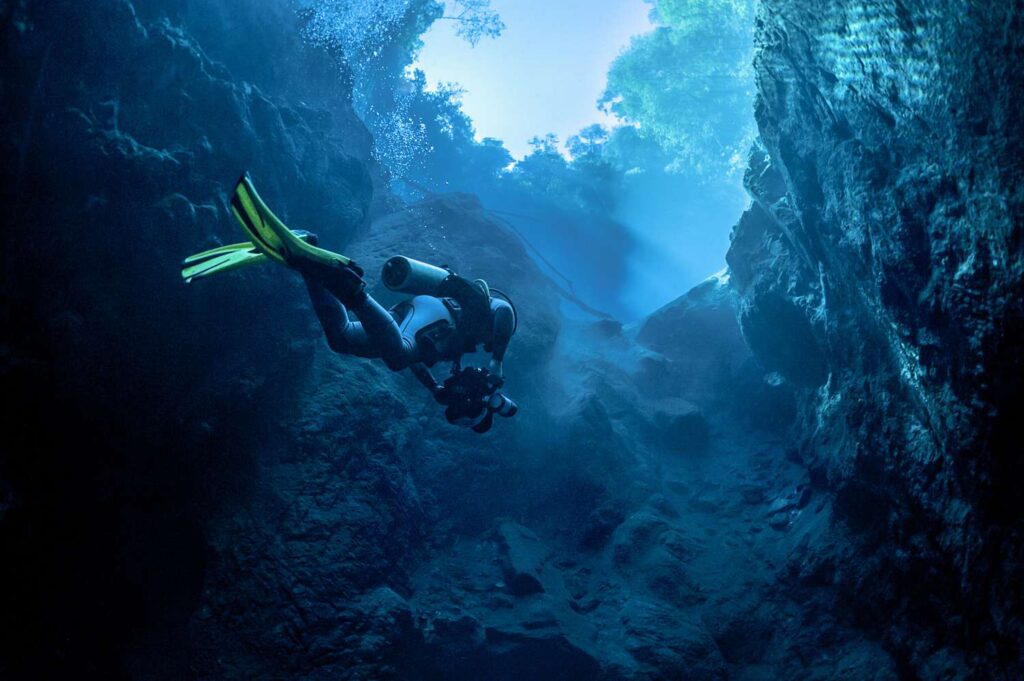
Cave diving is an exhilarating and adventurous activity that allows you to explore mysterious underwater caverns. However, it also comes with its fair share of risks and potential dangers. So, what precautions do cave divers take to ensure their safety and enjoy this thrilling experience? From careful planning and extensive training to employing specialized equipment and communication systems, cave divers leave no stone unturned when it comes to mitigating risks and making their journeys underwater as safe as possible. In this article, we will take a closer look at the precautions cave divers take, providing you with fascinating insights into this captivating and risky world beneath the surface. So, get ready to embark on a virtual cave diving expedition and uncover the secrets of cave divers’ safety measures.
Planning and Preparation
Researching and mapping the cave
Before embarking on a cave dive, thorough research and mapping of the cave system are vital. This involves studying existing maps and consulting with experienced cave divers who have explored the cave before. By understanding the layout, entrances, and potential hazards of the cave, you can plan your dive more effectively and make informed decisions about safety precautions.
Evaluating cave conditions and risks
Cave conditions can vary significantly, so it is crucial to evaluate these factors before diving. Factors such as water temperature, current strength, visibility, and potential hazards like silt or debris should be assessed. By understanding the risks associated with specific conditions, you can adapt your dive plan accordingly and ensure your safety.
Calculating gas consumption and decompression stops
Gas management is a critical aspect of cave diving. Calculating your gas consumption is essential to ensure you have enough supply for the entire dive, as well as any emergencies or unexpected situations. Properly planning decompression stops based on the depth and bottom time limits of the dive is crucial to avoid decompression sickness. By carefully considering these factors, you can effectively manage your gas supply and minimize risks during the dive.
Equipment
Dive gear selection and maintenance
Selecting the appropriate dive gear for cave diving is essential for safety and comfort. It is crucial to choose gear that is specially designed for cave diving, such as low-profile masks, streamlined fins, and reliable dive computers. Regular maintenance of your equipment is also important to ensure it functions properly and does not fail during the dive. Inspecting and servicing your gear regularly will help prevent any potential malfunctions that could compromise your safety.
Backup equipment and redundant systems
In cave diving, having backup equipment and redundant systems is a fundamental safety measure. This includes carrying an extra dive mask, regulator, and dive light, among other essential items. In case of equipment failure or loss, having these backups readily available can make a significant difference in an emergency situation. Always ensure that your backups are properly maintained and easily accessible during the dive.
Specialized cave diving equipment
Cave diving often requires specialized equipment that is specifically designed for navigating tight spaces and dealing with low visibility. This may include reel systems for laying guidelines, line markers for indicating direction and exit points, and equipment for communication with your dive buddy in limited visibility conditions. Investing in and becoming familiar with these specialized tools will enhance your safety and overall diving experience in a cave environment.
Buddy System
Importance of diving with a buddy
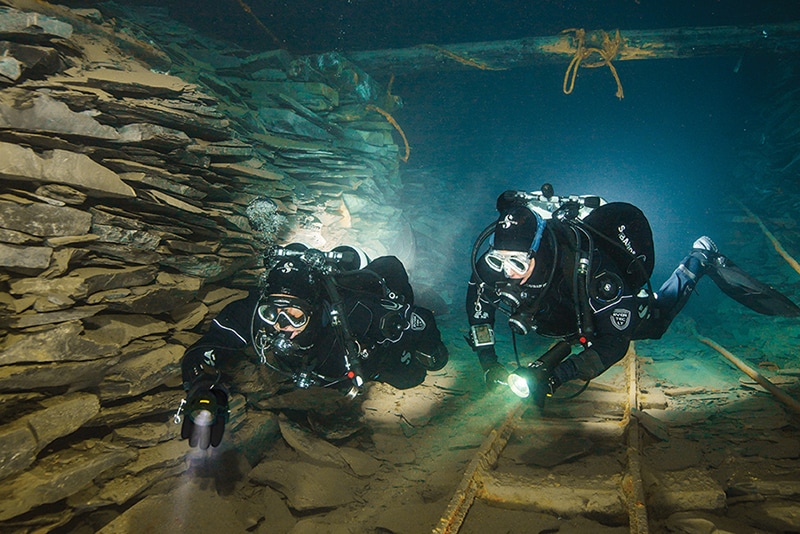
Cave diving should never be done alone. Having a dive buddy is one of the most crucial safety precautions in cave diving. A dive buddy provides an additional level of safety, someone to rely on in case of an emergency, and an extra pair of eyes in the water. Diving with a buddy allows for better communication, shared responsibility, and the ability to offer assistance if needed. Remember, the buddy system is there to support and ensure safety for both you and your partner.
Communication and emergency procedures
Clear and effective communication with your dive buddy is essential during cave dives. Establishing hand signals and other communication methods beforehand is crucial to convey important messages underwater. Additionally, practicing emergency procedures, such as sharing gas in case of an out-of-air situation, can make all the difference in a potential life-threatening scenario. Regular practice and familiarization with emergency protocols will ensure that you and your buddy can effectively address any situation that may arise.
Keeping visual contact and maintaining line-of-sight
In the often challenging and limited visibility environment of a cave, maintaining visual contact with your dive buddy is vital. At all times, you should strive to keep your buddy within sight and maintain a clear line-of-sight. This ensures that you can monitor each other’s safety and respond promptly if assistance is required. Engaging in regular buddy checks and maintaining physical proximity will help minimize the risk of separation and potential panic underwater.
Navigation
Using guidelines and reels
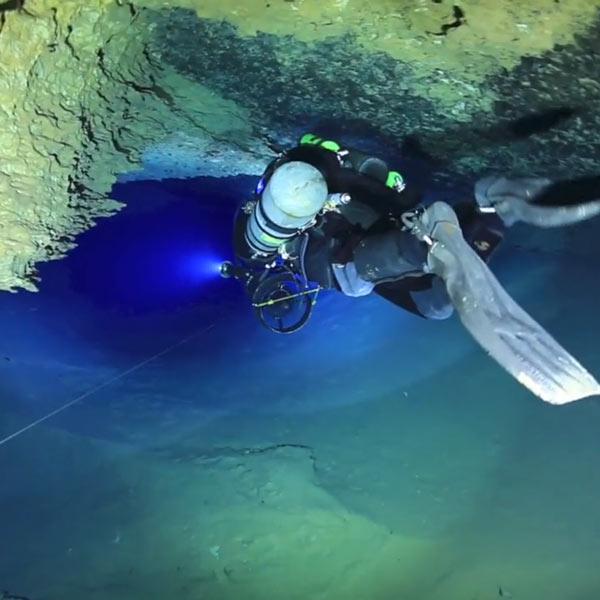
Navigating a cave system requires the use of guidelines and reels. These tools are used to create a visual reference for the divers to follow and know their way back. When entering a cave, a continuous guideline is deployed until reaching a destination point. Reels are then used to mark different directions and indicate pathways. Following a guideline ensures you can always retrace your steps and find your way back to the entrance easily.
Marker systems for direction and exit points
Within a cave, various marker systems are commonly used to indicate directions and exit points. These markers can consist of different colors, shapes, or symbols, each representing a specific meaning. For example, a specific colored arrow may indicate the way to an exit or act as a reminder to turn back. Understanding and recognizing these marker systems is crucial for maintaining proper navigation and avoiding getting lost in the cave system.
Maintaining situational awareness
Maintaining situational awareness is of utmost importance during cave dives. This includes constantly assessing your position in relation to the cave’s layout, markers, and guidelines. By staying aware of where you are within the cave system, you can avoid unintentionally straying too far or losing your way. Regularly referencing your dive plan, keeping track of elapsed time, and monitoring your surroundings will help you maintain situational awareness throughout the dive.
Gas Management
Calculating gas requirements for the dive
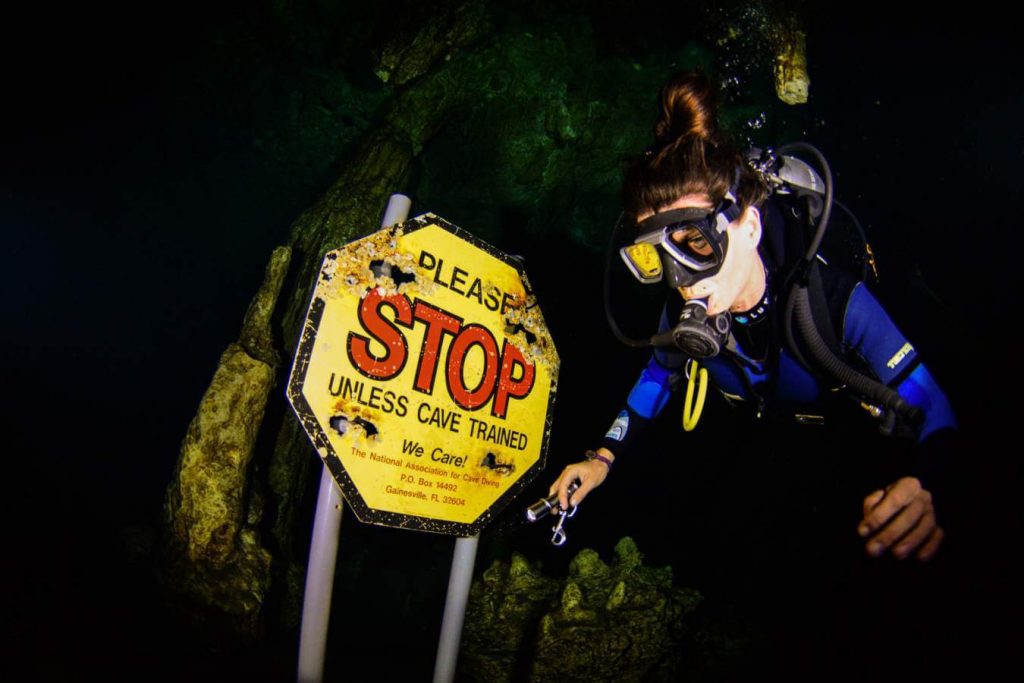
Proper gas management is crucial to ensure a safe dive. Calculating your gas requirements involves considering factors such as the planned depth, bottom time, and the return journey. By calculating the necessary amount of gas needed for the dive, you can ensure you have enough supply to safely complete the dive and any possible emergencies or unexpected situations.
Carrying redundant gas supplies
In cave diving, carrying redundant gas supplies is a critical safety precaution. This means having an additional gas source in case of a primary gas supply failure or a situation that requires prolonged decompression. Redundant gas supplies can come in the form of secondary tanks, cave-specific rebreathers, or other backup systems designed for such purposes. Carrying redundant gas supplies provides a critical safety net if unforeseen circumstances arise during the dive.
Monitoring remaining gas and planning for emergencies
Throughout the dive, it is important to continuously monitor your remaining gas supply. This is especially crucial when conducting complex and decompression dives. By keeping track of your gas consumption and comparing it to the planned dive profile, you can stay within the limits of your gas supply and make informed decisions regarding decompression stops or an unexpected situation. Always have a plan and be prepared for any emergency that may require utilizing the remaining gas effectively.
Visibility and Lighting
Dealing with limited visibility
Cave diving often involves limited visibility due to factors such as silt, sedimentation, or darkness. To deal with these conditions, it is essential to rely on appropriate techniques and equipment. This may involve practicing buoyancy control to minimize disturbing sediments, using dive lights to illuminate the surroundings, and clearing one’s mask regularly to maintain visibility. By adapting to limited visibility, you can navigate the cave safely and avoid potential disorientation or panic.
Choosing appropriate dive lights
Selecting the right dive lights is crucial for cave diving. The lights should have the appropriate beam angle, intensity, and battery life to suit the specific conditions encountered inside the cave. It is important to have a primary and backup light to ensure you’re not left in the dark in case of a failure. Additionally, learning how to use the lights effectively without causing blinding or disorientating reflections is essential for maintaining visibility and safely navigating the cave system.
Preventing blinding or disorientating sediments
Cave environments can have delicate sediments that, when disturbed, can reduce visibility or disorientate divers. It is important to practice proper buoyancy control techniques to avoid stirring up sediments unnecessarily. By finning carefully and being mindful of the surroundings, you can prevent introducing silt or debris into the water column, thereby maintaining clearer visibility for yourself and your dive buddy.
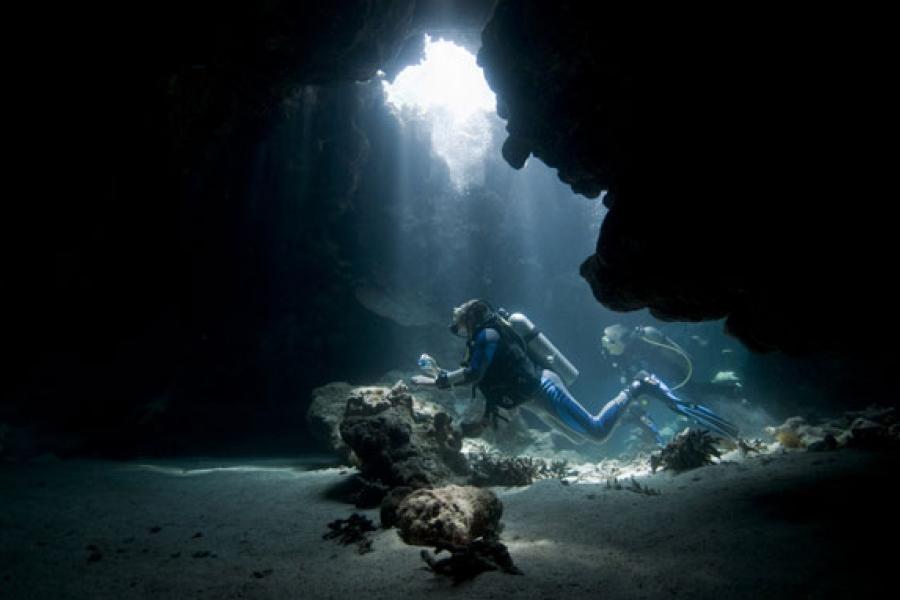
Emergency Procedures
Lost line or entanglement scenarios
In the event of a lost line or entanglement, it is crucial to remain calm and act quickly. Cave divers train extensively on how to handle these scenarios, including practicing techniques to untangle themselves from hazards and locating the primary guideline. By having a clear plan in mind and responding calmly and methodically, you can effectively manage these emergencies and safely navigate back to the exit.
Buddy breathing and gas sharing
If one diver experiences an out-of-air situation, buddy breathing and gas sharing becomes essential. Divers are trained on how to share air with their buddy using a regulator, ensuring a continuous supply of breathable air until reaching safety. Proper skills and regular practice are critical in executing this procedure smoothly to prevent panic and ensure the safety of both divers involved.
Egress strategies in case of equipment failure
In the unfortunate event of equipment failure, having proper egress strategies in place is essential. This involves being aware of alternative exits, familiarizing yourself with emergency ascent procedures, and ensuring a clear understanding of the cave’s layout. Divers should also carry cutting tools to facilitate entanglement-free exits if necessary. By having contingency plans and practicing emergency procedures, you can effectively address equipment failures and safely exit the cave if needed.
Training and Certification
Completing cave diving courses
To ensure proficiency and safety in cave diving, proper training and certification are crucial. Cave diving courses provide knowledge and practical skills specific to this challenging environment. These courses typically cover topics such as cave diving procedures, emergency protocols, equipment management, and navigation techniques. Completing these courses under the guidance of experienced instructors is essential for acquiring the necessary skills and confidence to undertake cave dives safely.
Building experience progressively
Cave diving is an activity that requires experience and should be approached progressively. Beginner cave divers must start with relatively straightforward dives in well-known cave systems before venturing into more complex environments. As divers gain experience and confidence, they can gradually explore new cave systems and take on more challenging dives. Building experience progressively ensures that divers develop the necessary skills, knowledge, and judgment to handle the unique risks and challenges of cave diving.
Maintaining skills through continuous training
To maintain proficiency and stay updated with the latest techniques and safety practices, continuous training is important for cave divers. Participating in regular refresher courses, workshops, and skill-building sessions allows divers to review and reinforce their knowledge, practice emergency drills, and stay informed about advancements in equipment or best practices. By investing in continuous training, cave divers can ensure they are well-prepared and equipped to face the demands of this exhilarating activity.
Physiological Factors
Dealing with nitrogen narcosis
As depth increases, divers may experience nitrogen narcosis, which can impair judgment and cognitive functioning. When cave diving, it is crucial to be aware of the depth at which narcosis may occur and adjust dive plans accordingly. Staying within safe limits and maintaining a clear and focused mindset are essential for managing this physiological effect and ensuring a safe and enjoyable cave diving experience.
Monitoring depth and bottom time limits
Monitoring depth and adhering to recommended bottom time limits are essential safety precautions in cave diving. These limits are determined based on factors such as decompression sickness risk, gas consumption rates, and the specific cave system being explored. By accurately tracking depth and time, cave divers can effectively manage their exposure and minimize the risk of nitrogen buildup or decompression sickness.
Managing decompression sickness risks
Decompression sickness is a significant risk in cave diving due to the potential for prolonged exposures and changing depths. To mitigate this risk, cave divers must plan and execute their dives within safe decompression limits. They should also familiarize themselves with decompression procedures and be prepared to address any signs or symptoms of decompression sickness promptly. By managing decompression risks, cave divers can enjoy their dives while placing their health and safety as top priorities.
Environmental Considerations
Understanding cave ecosystems
Cave ecosystems are often fragile and unique, supporting diverse and delicate organisms. As a responsible cave diver, it is important to equip yourself with knowledge about cave ecosystems and the potential impact of diving activities on these environments. Understanding the fragility and interconnectedness of these ecosystems helps promote conservation and respectful behavior while exploring these remarkable underwater worlds.
Respecting fragile formations
Cave formations, such as stalactites and stalagmites, take hundreds or thousands of years to form. It is essential to respect and protect these fragile structures. Divers should ensure they maintain proper buoyancy and avoid accidental contact or disturbances that could damage or break formations. By taking care to avoid any physical impact, divers can contribute to the preservation of these natural wonders for future generations of divers to appreciate.
Minimizing disturbances and sedimentation
Cave divers should strive to minimize disturbances and sedimentation during their dives. Proper buoyancy control, careful finning techniques, and avoiding touching the cave walls all contribute to reducing potential disturbances. By being mindful of their movements and respecting the environment, divers can minimize the impact of their presence and help preserve the delicate balance within these unique cave ecosystems.
Cave diving is an exciting and rewarding adventure that requires careful planning, preparation, and adherence to safety precautions. By researching and mapping the cave, evaluating risks, and calculating gas consumption, you can ensure a safer and more enjoyable dive. Proper equipment selection, maintenance, and familiarity with specialized cave diving gear provide added security during your exploration. Additionally, following the buddy system, proficiently navigating the cave, and effectively managing gas supply are essential for safe and successful dives.
Visibility and lighting play a crucial role in cave diving, and being prepared to deal with limited visibility, choosing appropriate dive lights, and preventing disorientation caused by disturbances are necessary skills to develop. Understanding and practicing emergency procedures, completing cave diving courses, and continuously training and refining your skills contribute to becoming a proficient and responsible cave diver.
Physiological factors, such as nitrogen narcosis and decompression sickness, should be carefully monitored and managed, ensuring dives are conducted within safe parameters. Lastly, being environmentally conscious, understanding cave ecosystems, respecting fragile formations, and minimizing disturbances and sedimentation are essential for preserving these unique underwater environments.
By taking these precautions and dedicating yourself to proper training and preparation, you can embark on an amazing and safe cave diving adventure. Remember, safety should always be the top priority, and with the right mindset, knowledge, and skills, you can explore the wonders hidden beneath the surface with confidence and enjoyment.